
EMERGENCY MEDICINE
24/7/365 Life-Saving Care, Every Second Counts
When it comes to emergencies, time isn’t just precious – it’s life itself. Shifa International Hospital’s Emergency Department delivers 24/7/365 expert care for life-threatening injuries and critical illnesses. Our skilled team and advanced facilities ensure swift diagnosis, immediate stabilization, and seamless transition to specialized treatment – because in an emergency, every second matters.


Our Emergency Care Advantage
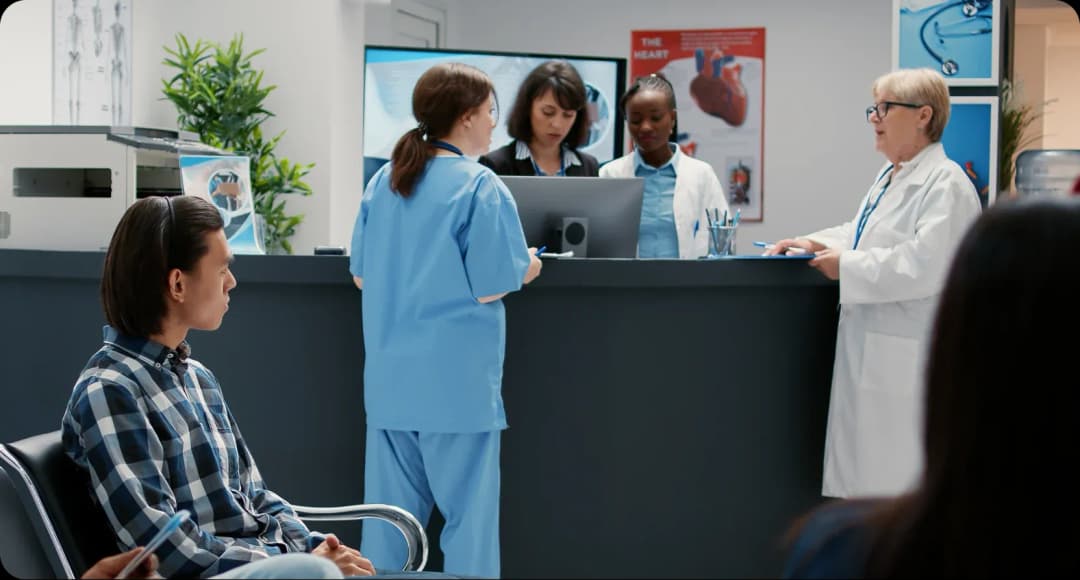
Immediate Access & Triage
- •Rapid assessment within minutes of arrival
- •Priority care for the most urgent cases

Advanced Facilities
- •Dedicated trauma bays for severe injury care
- •Advanced cardiac monitoring & resuscitation units
- •On-site CT, MRI, and X-ray for instant imaging
- •Negative-pressure isolation rooms for infections
- •Separate pediatric emergency area
- •Designated waiting area for attendants
Specialized Emergency Capabilities
- •ACLS, ATLS, and PALS certified teams
- •Integrated stroke protocols
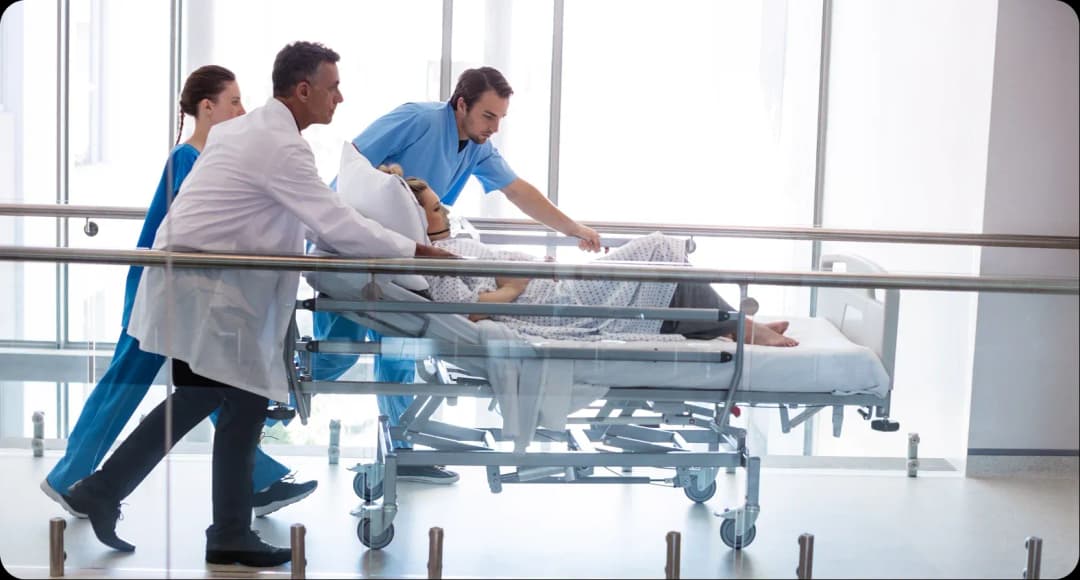
- •24/7 trauma response with surgeons & other specialists
- •Rapid-response systems and seamless coordination with ICU, OR, and Cath Lab
Emergency Conditions We Treat
We handle all types of urgent and life-threatening conditions, including:

Heart attacks, severe chest pain or tightness
Respiratory distress, including asthma attacks
Paralysis, stroke, and neurological emergencies
Major trauma & severe injuries from accidents, burns, or falls
Loss of consciousness
Sepsis, poisoning, overdose
Uncontrolled blood pressure or sugar
Uncontrolled bleeding, including severe allergic reactions
Infections, including TB & COVID
Sudden severe headache, eye pain or sudden loss of vision, abdominal pain, vomiting blood, high or sustained fever, earache or bleeding from ears, toothache or jaw pain
Febrile fits in a child
Obstetric, gynecological, and pediatric emergencies
Emergency psychiatric interventions, including mental stress or anxiety
Rapid Response Codes
To provide rapid care for critical conditions such as major accidents, heart attacks, or strokes, the ED has established a system of medical codes that mobilize the necessary team immediately. These include:
Code Blue
When a patient’s heart has stopped and are not breathing.
STEMI Code
For heart attack patients who need urgent transfer to the cath lab.
Trauma Call
For patients with severe injuries requiring multiple specialties.
Stroke Code
For stroke patients who need immediate treatment with tPA.
Life-Saving Interventions
Our team is equipped to deliver advanced, life-saving treatments, including:
Securing the airway with endotracheal tube
Providing ventilator support
Inserting chest tubes to relieve lung collapse or bleeding
Establishing intraosseous needle insertion
Placing central venous lines of all types
Performing cardioversion for dangerous heart rhythms
Defibrillating the heart in cardiac arrest
Placing BiPAP in heart or respiratory failure
Activating massive transfusion protocols for major bleeding
Administering rapid fluid resuscitation
How the ED Works
The ED is designed to care for the sickest patients first. Those with minor issues may need to wait when the department is busy. To ensure fair and safe care, we use a system called triage, which sorts patients by urgency:
P1 – Life-threatening condition
P2 – Urgent, needs quick attention
P3 – Sick but stable
P4 – Minor issue
P5 – Non-emergency
After triage, a doctor evaluates each patient. Depending on their condition, patients are cared for in one of three areas:
Critical area – for life-threatening emergencies
Majors area – for serious but stable conditions
Minors area – for less urgent issues
Milestones

Emergency Room established
1993
Consultant led care initiated
2008
Emergency Room expanded with a newly designed facility
2009
Emergency Medicine Residency Training launched
2011
Modern protocols and triage practices implemented
2012
Stroke Code with tPA protocol introduced
2016
3-bay resuscitation unit established
2016
Trauma Call and Code STEMI protocols introduced
2023
Paperless EMR system implemented
2025
FAQs
Clinical Team
View the Clinical Team →In Case of Emergency
If you or a loved one experience severe chest pain, difficulty breathing, sudden weakness, uncontrollable bleeding, or any other life-threatening symptoms – seek immediate medical attention.

Call our Emergency Helpline at 1133 or visit Shifa International Hospital Emergency Department